Athletic Development and Conditioning Programs
Understanding training protocols for building strength, endurance, and speed specific to handball performance, along with injury prevention strategies that support long-term athlete development.
Foundations of Athletic Conditioning in Handball
Athletic conditioning in handball requires a comprehensive understanding of the sport's unique physical demands. Handball combines explosive movements, rapid directional changes, sustained cardiovascular effort, and upper-body power development. A structured conditioning program addresses these multifaceted requirements through periodized training approaches.
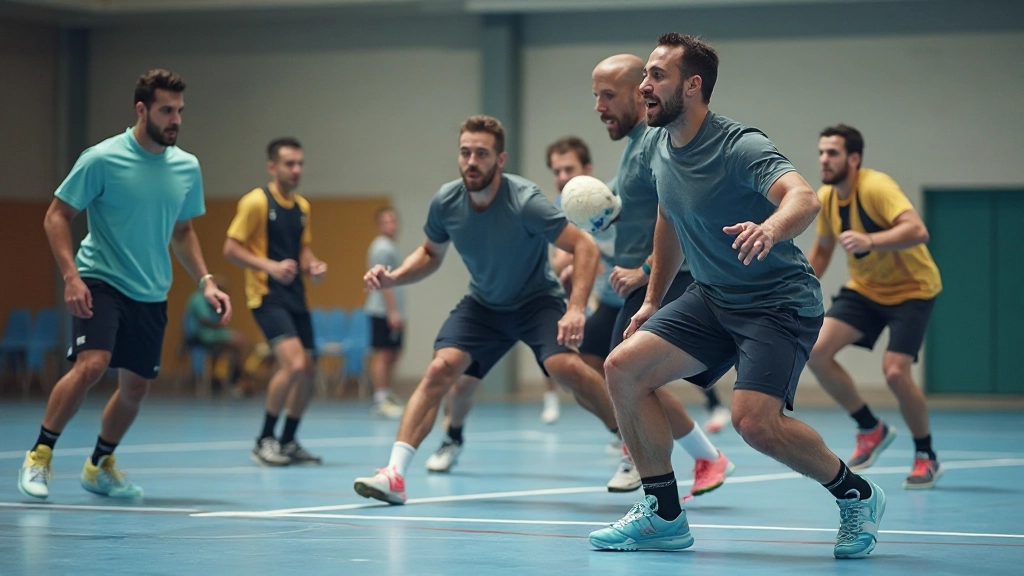
The sport demands athletes maintain high intensity for extended periods while executing technical skills under fatigue. This necessitates conditioning programs that integrate aerobic capacity development with anaerobic power training. Athletes perform repeated sprints, sustained court positioning, and forceful throwing movements throughout matches that may extend 60 minutes of continuous play.
Effective conditioning programs establish baseline fitness assessments before training implementation. These assessments measure aerobic capacity, anaerobic power, strength levels, flexibility, and sport-specific movement patterns. Understanding individual athlete baselines allows coaches to design personalized progression protocols that align with competitive timelines and athlete development stages.
Strength Development and Power Training Protocols
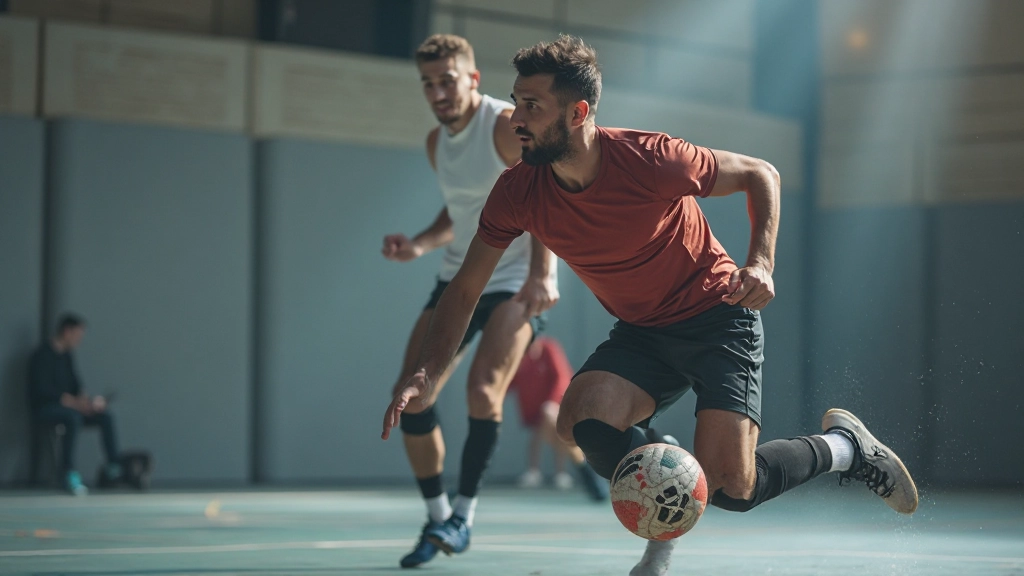
Strength training forms the foundation for injury prevention and performance development in handball. Programs typically incorporate compound movements that strengthen major muscle groups while supporting sport-specific movement patterns. These include lower-body exercises for explosive jumping and lateral movements, core stability work for rotational power, and upper-body development for throwing mechanics.
Key Strength Training Components
- Lower Body Power: Squat variations, deadlifts, and plyometric exercises develop the explosive leg strength necessary for jumping, sprinting, and lateral court movements
- Core Stability: Planks, rotational exercises, and anti-rotation movements strengthen the core, essential for balance during throws and rapid directional changes
- Upper Body Development: Bench press variations, rows, and shoulder exercises build the strength foundation for powerful, accurate throwing
- Rotational Power: Medicine ball throws, cable rotations, and weighted exercises develop the explosive rotational capacity required for effective handball shots
- Grip and Forearm Strength: Specialized exercises improve grip stability for ball control and throwing accuracy throughout matches
Training progression typically follows periodized models that manipulate volume, intensity, and exercise selection across training macrocycles. Early phases emphasize movement quality and foundational strength development. Subsequent phases progress toward sport-specific power development and maintenance during competitive seasons. Recovery periods between intense training sessions support adaptation and injury prevention.
Information Disclaimer
This content provides educational information about athletic development and conditioning programs in handball. It represents general knowledge about training approaches and does not constitute professional coaching advice or medical guidance. Individual athletes possess different physical capabilities, limitations, and requirements based on age, experience level, and health status.
Implementation of any training program should occur under supervision of qualified coaching staff and sports medicine professionals. Athletes with existing injuries, medical conditions, or health concerns should consult with healthcare providers before beginning new conditioning protocols. Personalized coaching assessment ensures training programs align with individual athlete circumstances and competitive objectives.
Endurance Training and Cardiovascular Development
Handball matches demand sustained cardiovascular performance across 60 minutes of competitive play. Conditioning programs integrate both aerobic and anaerobic endurance training to prepare athletes for the sport's intermittent nature. Match analysis reveals players alternate between high-intensity efforts and brief recovery periods throughout competition.
Aerobic Capacity Development
Steady-state running and moderate-intensity interval work build aerobic base capacity. These sessions typically extend 30-45 minutes at consistent effort levels, improving the cardiovascular system's efficiency and supporting recovery between intense efforts. Aerobic conditioning allows athletes to maintain technical skill execution throughout extended matches.
Anaerobic Power Training
High-intensity interval training develops the anaerobic systems required for explosive movements and sustained high-intensity efforts. Short sprint intervals followed by incomplete recovery periods simulate match demands. These sessions improve lactate threshold and the ability to perform repeated efforts at maximal intensity.
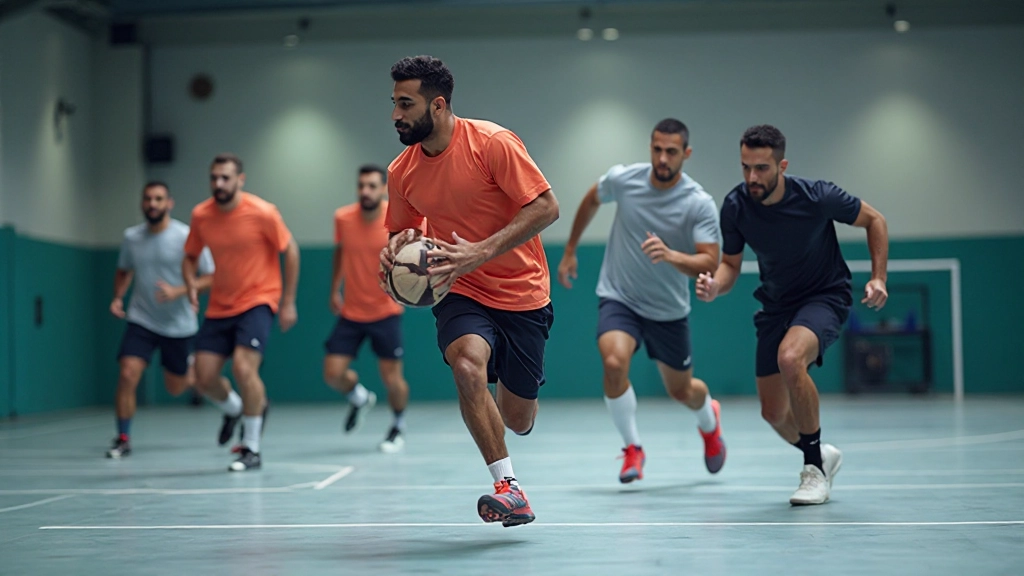
Sport-specific conditioning integrates handball movements into endurance training. Court sprints simulating match distances, agility drills with directional changes, and throwing patterns under fatigue develop conditioning specific to competitive demands. This approach ensures conditioning improvements directly transfer to match performance rather than relying solely on general cardiovascular training.
Injury Prevention and Movement Quality
Injury prevention represents a critical component of comprehensive athletic development programs. Handball's high-intensity movements and contact elements create specific injury risks, particularly affecting the shoulder, knee, and ankle structures. Conditioning programs incorporate injury prevention strategies alongside performance development.
Shoulder Stability Work
Targeted exercises strengthen rotator cuff muscles and improve scapular stability. These prevent impingement issues common in overhead-throwing sports. Rotational exercises and external rotation strengthening support healthy shoulder function during repeated throwing efforts.
Lower Body Stability
Ankle and knee stability exercises address the demands of rapid directional changes and explosive jumping. Balance work, proprioceptive training, and targeted strengthening reduce injury incidence in these high-demand areas during match conditions.
Movement Pattern Correction
Assessment and correction of movement mechanics prevent compensation patterns that create injury risk. Quality movement execution during conditioning drills ensures athletes develop proper patterns under fatigue, maintaining safety during competitive situations.
Flexibility and Mobility Work
Dynamic stretching and mobility exercises maintain range of motion necessary for sport-specific movements. Regular flexibility work reduces muscle tension and supports movement quality throughout training and competitive seasons.
Recovery protocols form integral components of injury prevention. Adequate rest between high-intensity training sessions allows physiological adaptation and reduces accumulated fatigue that increases injury risk. Monitoring training load and athlete readiness ensures conditioning stimulus remains appropriate relative to recovery capacity.
Periodization and Training Planning Structures
Effective conditioning programs employ periodized training structures that progress athletes systematically toward competitive peaks. Periodization manipulates training variables across distinct phases, each emphasizing specific adaptations aligned with competitive timelines. This approach optimizes performance development while managing injury risk through planned recovery.
1 Preparation Phase
This foundational phase emphasizes general fitness development and movement quality establishment. Training volume increases while intensity remains moderate, building aerobic base capacity and establishing strength foundations. Athletes develop movement patterns and technical skills without extreme fatigue pressure.
2 Development Phase
Training progresses toward sport-specific conditioning and increased intensity. Sessions integrate handball movements into endurance and power training. Intensity and volume balance shifts toward higher-intensity efforts while maintaining aerobic capacity foundations.
3 Competition Phase
Competitive periods emphasize maintenance of developed capacities while reducing training volume to support match performance. Sessions focus on sport-specific drills and tactical development alongside maintenance conditioning to sustain competitive readiness.
4 Recovery Phase
Planned recovery periods reduce training stimulus and allow physiological adaptation. These phases prevent overtraining while maintaining base fitness levels. Active recovery activities support adaptation while psychological recovery benefits athletes between demanding competitive periods.
Microcycles (weekly structures) organize daily training within periodized frameworks. Varying daily intensity, volume, and focus ensures balanced stimulus distribution. Alternating intense efforts with recovery days allows adaptation while preventing accumulated fatigue that compromises performance and injury risk.
Summary of Key Development Principles
Comprehensive athletic development programs address the multifaceted demands of handball through integrated approaches combining strength development, cardiovascular conditioning, injury prevention, and systematic periodization. Successful programs progress athletes systematically while managing injury risk and supporting long-term performance development.
Implementation of these principles requires ongoing assessment, program adjustment based on athlete response, and qualified coaching supervision. Individual athlete circumstances, competitive levels, and objectives determine specific program emphasis and progression rates. Regular evaluation of conditioning effectiveness ensures programs continue supporting athlete development and competitive performance throughout training and competitive seasons.
Related Articles